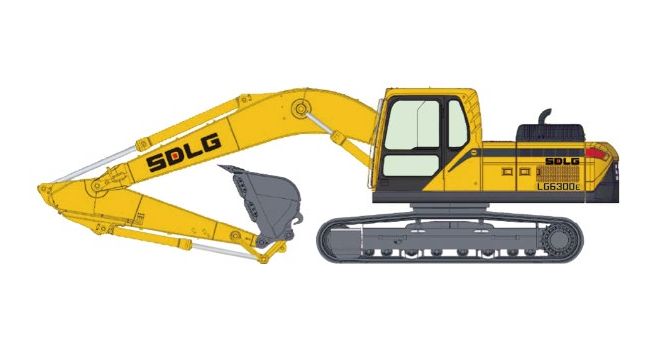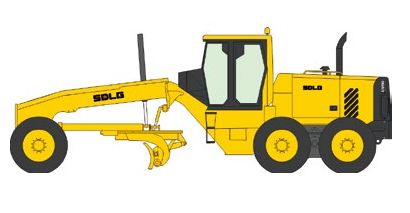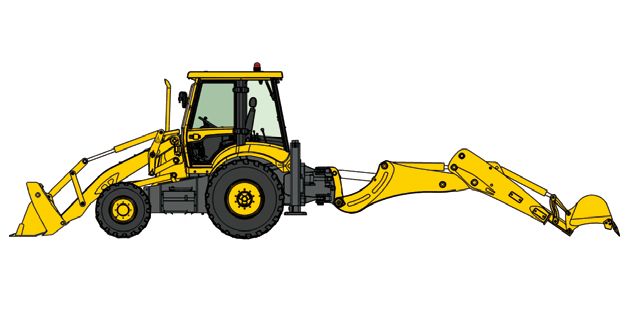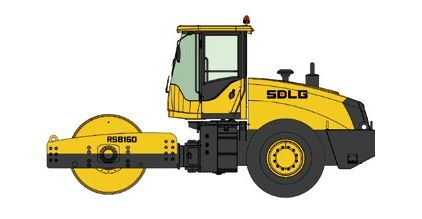
Hey there! So, it turns out the heavy equipment industry is really changing fast as we head towards 2025. It’s kind of a mixed bag, bringing both great opportunities and a few challenges for Heavy Equipment Operators out there. There’s this report from Technavio that says the global construction equipment market is expected to grow at about 4% each year from 2023 to 2027, thanks mainly to all the new infrastructure projects popping up and some pretty cool advancements in equipment tech. But here’s the kicker: with all this growth, there’s a big demand for skilled Heavy Equipment Operators who can handle the more complex machines while keeping safety and efficiency in check on the job site. Linyi Weiman Import and Export Co., LTD., which is a go-to supplier of heavy construction equipment based in Linyi city, Shandong province, totally gets this need. They’re all about supporting these operators with top-notch machinery like wheel loaders, backhoe loaders, and excavators. As the industry keeps evolving, it’s super important to understand what challenges these pros face if we want to build a stronger workforce ready to take on the future of construction.
Hey, did you know that the heavy equipment industry is really gearing up for some big changes as we head towards 2025? There's this fascinating market research study out there that suggests the global surface mining equipment market could hit a whopping USD 103.10 billion by 2033! That's a solid growth rate of about 7.10% annually. Pretty impressive, right? This boom is largely due to the increasing demand for smart, efficient machinery that can get the job done better and faster. So, operators these days really need to get with the program and learn how to use these new tech tools to boost productivity and keep things safe on job sites.
One major trend that's driving this whole transformation is the uptick in investments in both equipment and software – we're talking an expected jump of 4.7% by 2025. With borrowing costs being lower and some awesome incentives for new gear, companies are feeling motivated to dive into innovative solutions that really ramp up efficiency. This is especially true in the heavy construction equipment sector where forecasts show there's a ton of growth potential across different types of machinery, applications, and power outputs. As operators tackle these shifts, it’s crucial that they enhance their technical skills and embrace the latest technologies to thrive in this ever-evolving landscape.
You know, heavy equipment operators really are the backbone of a ton of industries, especially in construction and mining. But, man, they deal with a lot of challenges that can seriously affect how efficiently and safely they work. For instance, did you know that nearly half of workplace injuries in construction are linked to equipment operation? That stat really drives home just how risky their day-to-day can be. Things like not enough training, machinery breaking down at the worst possible moment, and the constant pressure to follow safety rules just add to the mix of dangers out there.
And if that wasn’t enough, the rapid pace of tech changes in heavy equipment brings its own bundle of ups and downs. According to a report from the Association of Equipment Manufacturers, about 63% of operators are finding it tough to keep pace with new machinery advancements, especially with automation and telematics becoming more common. It’s like, just when they get the hang of one thing, here comes another shift that requires more training and a lot more flexibility. This can really put a strain on folks, especially those who might not have access to all the resources they need. Plus, there’s the financial side of things—rising fuel costs and maintenance expenses can really put a dent in the bottom line for both the operators and the companies they work for.
You know, in the heavy equipment world these days, really getting ahead means mastering some key skills. Operators need to be on their game, especially since things are changing so fast out there. A report from the Association of Equipment Manufacturers mentioned that almost 60% of heavy equipment companies have a tough time finding qualified operators. That’s a big deal and shows just how crucial it is to find folks who not only know their stuff technically but can also keep up with new tech and safety practices.
One of the big things operators need is to be really good at handling machinery while also knowing the safety regulations inside and out. I mean, OSHA said that poor equipment handling is behind 40% of workplace injuries! So, being able to safely operate heavy machinery is just so important. It’s also super beneficial for operators to have strong problem-solving skills because they’re bound to run into some mechanical hiccups at job sites. You want to make sure you’re not wasting time and that everything wraps up smoothly.
You know, the way automation is shaking up the heavy machinery industry is pretty fascinating! It's opening up a lot of doors, but it's also throwing some curveballs at operators. As tech keeps advancing, we’re seeing heavy equipment getting more and more hooked up with automated systems. This is definitely ramping up efficiency and safety on job sites, which is awesome. But here’s the catch: operators really need to get on board quickly with these new tools and techniques. It’s so important for them to wrap their heads around these advancements since they’re now dealing with some pretty sophisticated machinery that's running on software and data analytics to boost performance and make better decisions.
And let’s not forget, automation might just be the hero we need to tackle the skills gap we’re facing in the industry. With not many young folks coming into the field, this advanced tech can really help make operations smoother and cut down on those labor-heavy tasks. Operators have their hands full now—they’re not just operating machines; they also need to make sense of data outputs and use those AI-driven insights to improve processes. By rolling with these changes, operators can keep their skills sharp and stay valuable in this shifting job landscape, ensuring that their know-how remains super important in the future of heavy machinery.
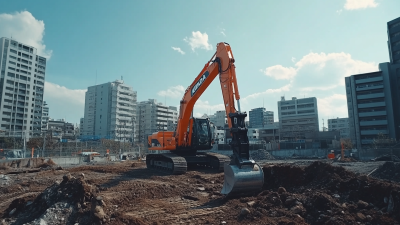
You know, when it comes to the heavy equipment industry these days, we really can't emphasize enough how crucial safety protocols are. Operators are dealing with all sorts of challenges that push them to stick to established safety standards, much like what we’ve seen recently in South Africa's adventure tourism sector with their new comprehensive safety measures. It just goes to show that there’s this global push for stronger safety guidelines that totally apply to the operation of heavy machinery too. By focusing on best practices, operators are definitely reducing the risks linked to using complex machines like excavators and wheel loaders.
On top of that, companies are getting creative with tools and frameworks to boost safety at every level of their operations. We're talking about everything from rolling out advanced training for crane operators to setting up thorough guidelines for laser use on construction sites. It’s all about making work environments safer, right? A great example is how developing trusted operator programs helps make sure remote pilot training aligns with industry standards. By putting safety first and honing in on best practices, heavy equipment operators can keep themselves and their coworkers safe, which ultimately leads to a more efficient and secure industrial landscape. So, it’s a win-win all around!
| Challenge | Description | Solution | Best Practice |
|---|---|---|---|
| Safety Compliance | Operators must adhere to strict safety regulations to avoid accidents. | Regular training and refreshers on safety protocols. | Conduct safety drills and encourage reporting of hazards. |
| Equipment Maintenance | Maintaining heavy machinery is crucial to ensure optimum performance. | Implement a regular maintenance schedule. | Use checklists for daily inspections of equipment. |
| Skill Development | Operators need to continue developing skills in new technologies. | Invest in advanced training programs and certifications. | Encourage cross-training among operators. |
| Environmental Regulations | Compliance with environmental laws can be complex for operations. | Stay informed on local regulations and implement necessary changes. | Conduct regular audits to ensure compliance. |
| Technological Advancements | Keeping up with new technologies can be challenging and costly. | Evaluate and integrate technology that improves efficiency. | Encourage feedback on technology use from operators. |
You know, in today’s fast-changing construction world, the need for skilled heavy equipment operators is at an all-time high. But man, the challenges they’re facing are no joke! From keeping up with new technologies to making sure everyone stays safe on the job, it’s a lot. To really get things moving and make sure there’s a solid workforce ready to go, innovative training methods are super important. Companies are now using tech to craft these really immersive learning experiences that empower the next wave of operators.
One cool initiative that’s making waves is using virtual reality (VR) simulations. It gives trainees a chance to get their hands dirty — figuratively speaking — in a totally safe environment. This approach not only helps them pick up skills faster but also boosts their confidence before they hit the field. Take Ria Perez, for instance. She’s a production assistant and a big advocate for bringing tech into training programs. She’s showing us just how game-changing these techniques can be. By working with organizations dedicated to social innovation, she’s helping change how future operators learn and adapt to what the industry needs.
And it doesn’t stop there; a bunch of platforms are tapping into artificial intelligence to personalize training programs, catering to individual learning styles. This way, every trainee gets just the right support they need to be successful. With all these innovative training methods on the rise, it’s exciting to see a fresh generation of heavy equipment operators gearing up to tackle the challenges of our modern industrial landscape with confidence.
: Heavy equipment operators face challenges such as improper training, equipment malfunctions, adherence to safety regulations, rapid technological advancements, fluctuating fuel prices, and increasing maintenance costs.
According to the Bureau of Labor Statistics, nearly 50% of workplace injuries in the construction sector are associated with equipment operation, indicating a high-risk environment for operators.
Heavy equipment operators are struggling to keep up with advancements such as automation and telematics, which require ongoing training and adaptation to new tools and techniques.
Automation is revolutionizing the industry by enhancing efficiency and safety, but it also requires operators to adapt to new systems that rely on software and data analytics.
Advanced technology can help mitigate the skills gap by streamlining operations and reducing reliance on labor-intensive tasks, especially with fewer young workers entering the field.
Operators must learn to manage sophisticated machinery and interpret data outputs, utilizing AI-driven insights to optimize processes and stay relevant in an evolving job landscape.