
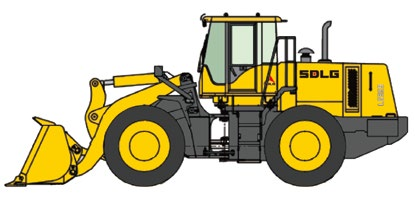
 Wheel Loader
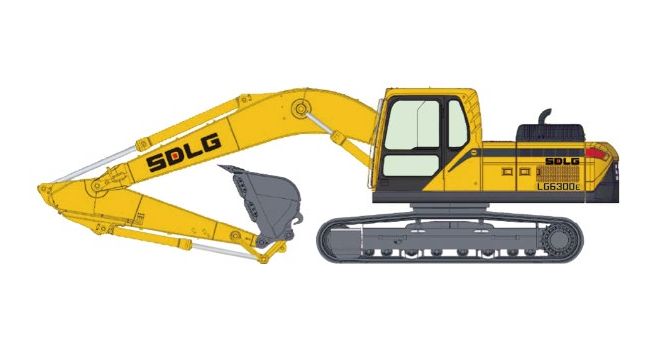 Excavator
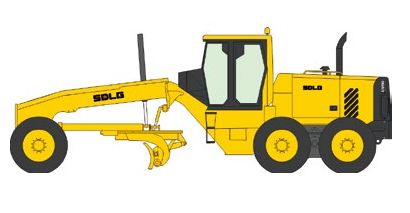 Motor Grader
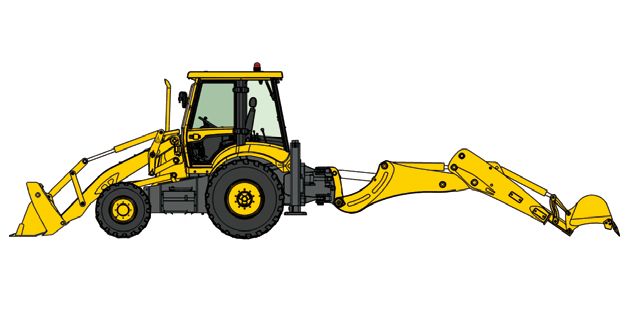 Backhoe Loader
 Road Roller
 Spare Parts
Leave Your Message
Premium parts and components engineered for emergency response vehicles

When disaster strikes, every second counts. Sany heavy trucks have become indispensable assets in emergency response and disaster recovery operations worldwide.
The global disaster recovery equipment market has experienced exponential growth, with heavy-duty trucks playing a pivotal role in emergency response infrastructure. Sany heavy trucks have established themselves as reliable workhorses in the most challenging disaster scenarios, from earthquake recovery to flood relief operations.
According to recent industry analysis, the demand for specialized disaster recovery vehicles has increased by 35% over the past five years, driven by the rising frequency of natural disasters and the need for rapid response capabilities. Sany's commitment to engineering excellence has positioned their heavy truck line as a preferred choice for government agencies, emergency services, and humanitarian organizations globally.
These vehicles are specifically designed to operate in extreme conditions where conventional trucks fail, featuring reinforced chassis, enhanced suspension systems, and powerful engines capable of navigating through debris-strewn environments while carrying essential supplies and equipment.
Engineered for reliability when it matters most
Sany heavy trucks feature quick-start systems and robust powertrains that enable immediate deployment in emergency situations, reducing response time by up to 40% compared to conventional vehicles.
Advanced suspension systems and reinforced undercarriages allow these trucks to navigate through flooded areas, collapsed infrastructure, and unstable terrain while maintaining cargo integrity.
Versatile mounting systems accommodate various disaster recovery equipment including cranes, water pumps, generators, and specialized rescue tools, making each truck a mobile command center.
With payload capacities exceeding 30 tons, these trucks can transport massive quantities of relief supplies, construction materials, and heavy equipment to affected areas in single trips.
Built-in satellite communication systems and GPS tracking ensure continuous coordination with command centers, enabling real-time situational awareness and resource allocation.
High-capacity fuel systems and efficient engines provide operational ranges exceeding 800 kilometers, critical for reaching remote disaster zones without refueling infrastructure.
Proven performance across diverse emergency scenarios
In flood-affected regions, Sany heavy trucks have demonstrated exceptional capability in delivering emergency supplies through waterlogged areas. Their elevated chassis design and waterproofed engine compartments allow operation in water depths up to 1.2 meters. During the 2023 monsoon season in Southeast Asia, a fleet of Sany trucks successfully delivered over 500 tons of relief materials to isolated communities, operating continuously for 72 hours without mechanical failure.
Following seismic events, these trucks serve as mobile bases for search and rescue teams. Their reinforced frames can support mounted cranes capable of lifting concrete slabs weighing up to 15 tons, while integrated hydraulic systems power rescue tools. The trucks' stability control systems enable safe operation on unstable ground, and their powerful lighting systems transform night operations, extending rescue windows significantly.
Equipped with specialized fire-resistant coatings and advanced cooling systems, Sany heavy trucks can approach active fire zones to deliver firefighting equipment and create firebreaks. Their high ground clearance and off-road capabilities allow access to remote forest areas, while onboard water tank systems provide immediate firefighting capability with capacities up to 10,000 liters.
Post-disaster reconstruction demands heavy material transport over damaged roads. Sany trucks excel in this phase, featuring reinforced cargo beds and advanced load distribution systems. Their ability to transport prefabricated building components, heavy machinery, and bulk construction materials accelerates reconstruction timelines by an estimated 25-30% compared to using multiple smaller vehicles.
Advanced Diagnostics: Real-time engine monitoring systems continuously assess vehicle health, predicting potential failures before they occur. This predictive maintenance capability is crucial in disaster zones where mechanical breakdowns can have life-threatening consequences.
Autonomous Navigation Assistance: While not fully autonomous, these trucks incorporate GPS-guided navigation systems that suggest optimal routes through damaged infrastructure, avoiding hazardous areas identified through satellite imagery and ground sensor networks.
Power Management Systems: Intelligent power distribution allows these trucks to serve as mobile power stations, providing electricity for medical equipment, communication devices, and temporary lighting systems while maintaining sufficient power reserves for vehicle operation.
Environmental Adaptability: Climate control systems maintain operational efficiency in temperature extremes from -30°C to +50°C, ensuring reliable performance whether responding to winter storms or desert emergencies.
The disaster recovery vehicle sector is experiencing transformative changes driven by climate change, urbanization, and technological advancement. Industry forecasts project a compound annual growth rate of 8.5% through 2030, with Sany positioned to capture significant market share through continuous innovation.
Recognizing environmental concerns and operational efficiency, Sany is developing hybrid-electric heavy truck models specifically for disaster recovery. These vehicles will offer silent operation capabilities crucial for search and rescue missions, extended operational range through regenerative braking systems, and reduced fuel dependency in areas where fuel supply chains are disrupted.
Future iterations will incorporate advanced driver assistance systems (ADAS) including automatic obstacle detection, collision avoidance, and convoy coordination systems allowing multiple trucks to operate in synchronized formations, maximizing efficiency in large-scale relief operations.
The industry is shifting toward modular vehicle platforms where base trucks can be rapidly reconfigured for different disaster scenarios. Sany is pioneering quick-change body systems that allow a single chassis to transform from cargo hauler to mobile crane to water tanker within hours, dramatically improving resource utilization.
International disaster response organizations are working toward equipment standardization to improve interoperability during multinational relief efforts. Sany actively participates in these standardization committees, ensuring their vehicles meet emerging global specifications for disaster recovery equipment.
Quantifying Sany's contribution to global disaster recovery efforts
Understanding that disaster recovery vehicles cannot afford downtime, Sany has established a comprehensive global parts distribution network. Strategic warehousing locations across six continents ensure that critical components reach customers within 48 hours, regardless of location.
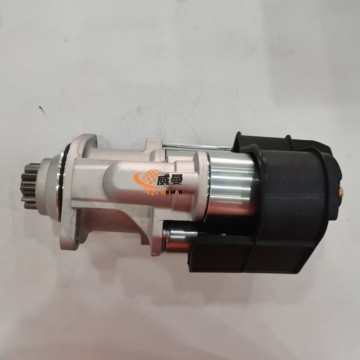
Engine Components: High-performance engine parts including pistons, rings, starters, and fuel systems are maintained in high inventory levels. The Weichai engine platform, featured in many Sany heavy trucks, benefits from widespread parts compatibility, reducing procurement complexity during emergencies.
Transmission and Drivetrain: Advanced transmission systems from manufacturers like ZF and proprietary Sany designs are supported through dedicated technical centers offering both parts supply and field repair guidance via remote diagnostics.
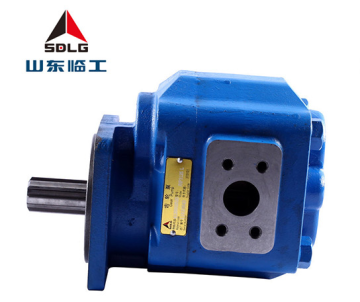
Hydraulic Systems: Given the critical role of hydraulic systems in disaster recovery equipment operation, Sany maintains extensive inventories of hydraulic pumps, cylinders, valves, and hoses, with field-replaceable units designed for rapid installation without specialized tools.
Electrical and Electronic Components: Modern disaster recovery trucks rely heavily on electronic systems. Sany's parts network includes control modules, sensors, wiring harnesses, and communication equipment, all designed with redundancy protocols to prevent single-point failures.
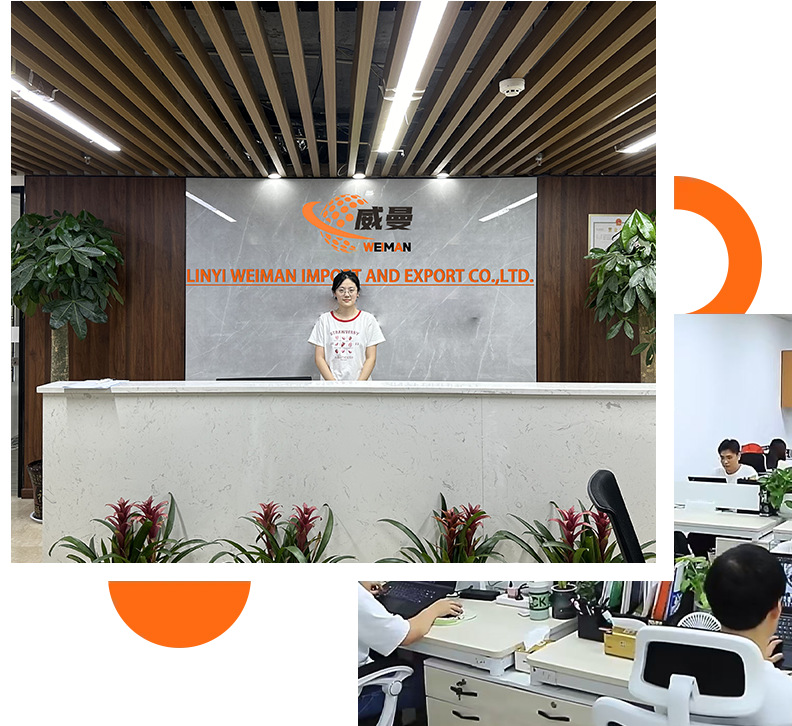
Linyi Weiman Import and Export Co., Ltd. Located in Linyi city, Shandong province, near SDLG factory and closes to XCMG, SEM, Shantui and Weichai factories.
Weiman is the top professional construction equipment supplier, in particular heavy construction equipment, including wheel loaders, luxury mini loader, backhoe loader, skid steer loader, excavator, motor graders, forklift, bulldozer or countries world widely.









Recognizing that equipment is only as effective as its operators, Sany offers specialized training programs for disaster recovery personnel. These programs cover vehicle operation in extreme conditions, preventive maintenance procedures, emergency repair techniques, and safety protocols specific to disaster environments.
Training centers located in major regions provide hands-on experience with simulators replicating challenging disaster scenarios. Virtual reality training modules allow operators to practice navigation through collapsed structures, flooded streets, and unstable terrain without risk, building confidence and competence before real-world deployment.
Understanding that disasters don't adhere to business hours, Sany maintains round-the-clock technical support hotlines staffed by experienced engineers. Remote diagnostics capabilities allow support teams to access vehicle systems remotely, troubleshoot issues, and guide field technicians through complex repairs via video consultation.
Mobile service units equipped with common replacement parts and diagnostic equipment can be dispatched to disaster zones, providing on-site support when vehicles cannot be moved to service facilities. This field service capability has proven invaluable in extended disaster recovery operations where vehicle downtime directly impacts relief effectiveness.
Following a category 5 hurricane that devastated multiple island nations, a fleet of 45 Sany heavy trucks was deployed within 36 hours of the storm passing. These vehicles transported over 1,200 tons of emergency supplies including water, medical equipment, and temporary shelter materials across damaged infrastructure. The trucks' all-terrain capabilities proved essential as they navigated through debris fields and damaged bridges that rendered many roads impassable to conventional vehicles.
Operators reported that the integrated communication systems allowed real-time coordination with aerial survey teams, directing trucks to areas of greatest need. The vehicles operated continuously for three weeks with a 99.2% uptime rate, with only minor maintenance required. This deployment demonstrated the reliability and versatility that make Sany trucks preferred choices for large-scale disaster response.
A magnitude 7.8 earthquake created urgent demand for heavy equipment capable of clearing rubble and transporting reconstruction materials. Sany heavy trucks equipped with crane attachments worked alongside excavators to clear access routes to isolated villages. The trucks' stability control systems proved critical when operating on unstable ground affected by aftershocks.
Over a six-month reconstruction period, these vehicles transported more than 15,000 cubic meters of construction materials, facilitating the rebuilding of essential infrastructure including hospitals, schools, and water treatment facilities. The modular equipment mounting systems allowed rapid reconfiguration between cargo transport and crane operations, maximizing operational efficiency.
Prolonged monsoon rains caused catastrophic flooding across multiple provinces, displacing hundreds of thousands of people. Sany heavy trucks with elevated chassis designs operated in water depths up to one meter, delivering food, clean water, and medical supplies to evacuation centers. The trucks' waterproofed electrical systems and sealed engine compartments prevented water ingress that typically disables conventional vehicles.
During this operation, the trucks' extended operational range proved valuable as fuel stations were inaccessible due to flooding. Vehicles completed supply runs exceeding 600 kilometers on single fuel loads, maintaining continuous supply chains to affected populations. Post-operation analysis credited these capabilities with reducing response times by 35% compared to previous flood relief efforts.
While disaster recovery demands powerful, reliable vehicles, Sany recognizes the importance of environmental stewardship. Current heavy truck models incorporate emission control technologies meeting Euro V and EPA Tier 4 standards, significantly reducing particulate matter and NOx emissions compared to older generation vehicles.
Fuel Efficiency Innovations: Advanced engine management systems optimize fuel consumption without compromising power output. Aerodynamic improvements including optimized cab design and underbody panels reduce drag, improving fuel economy by up to 12% compared to previous models.
Alternative Fuel Compatibility: Recognizing regional variations in fuel availability, Sany engines are designed for multi-fuel compatibility, capable of operating on biodiesel blends up to B20 without modification. This flexibility ensures operational continuity in regions where conventional diesel may be scarce following disasters.
Noise Reduction: Disaster recovery often occurs in populated areas where noise pollution affects displaced populations. Enhanced sound insulation and optimized exhaust systems reduce operational noise levels by 30% compared to earlier models, minimizing disturbance while maintaining full performance capabilities.
As climate change increases disaster frequency and severity, the demand for advanced disaster recovery vehicles will continue growing. Sany's research and development initiatives focus on several key areas that will define next-generation disaster response capabilities.
Future models will incorporate AI-powered systems that analyze terrain conditions in real-time, automatically adjusting suspension settings, power distribution, and traction control for optimal performance. Machine learning algorithms will predict optimal routes through disaster zones by analyzing satellite imagery, sensor data, and historical disaster patterns.
Next-generation vehicles will feature 5G connectivity enabling high-bandwidth data transmission for streaming video from disaster zones, facilitating remote assessment by emergency management teams. Vehicle-to-vehicle communication protocols will allow truck fleets to coordinate autonomously, optimizing convoy formations and resource allocation without constant human oversight.
Development of plug-in hybrid systems will provide extended electric-only operation for silent approach in rescue scenarios while maintaining diesel power for heavy hauling. Integrated power export capabilities will increase from current levels, allowing trucks to serve as mobile power stations capable of supporting field hospitals or emergency communication centers.
Research into lightweight composite materials will reduce vehicle weight without compromising strength, improving payload capacity and fuel efficiency. Corrosion-resistant materials will extend vehicle lifespan in harsh environments including saltwater exposure common in coastal disaster zones.
While fully autonomous operation remains years away, semi-autonomous features will enhance safety and efficiency. Automatic convoy following will allow single operators to lead multiple trucks, multiplying logistics capacity. Autonomous parking and positioning systems will enable precise placement in congested disaster zones where maneuvering space is limited.



Quick delivery time for customers, prompt reaction for spare parts, all these has made a good reputation for us for being a trustworthy partner, because we believe in understanding our clients, open communication, effective planning as well as preparation and is committed to executing and delivering our promises. Our warehouse covers more than 5000 square meters, and located near the airport, railway and high way, which guarantee the quick delivery and low purchasing cost, which will save you much time and money.
Comprehensive component solutions ensuring operational readiness

Contact us today to discuss how Sany heavy trucks and comprehensive parts support can enhance your disaster response capabilities